Uncategorized

shutterstock_2752893277

How Process Engineering Supports Safer, More Efficient Industrial Projects

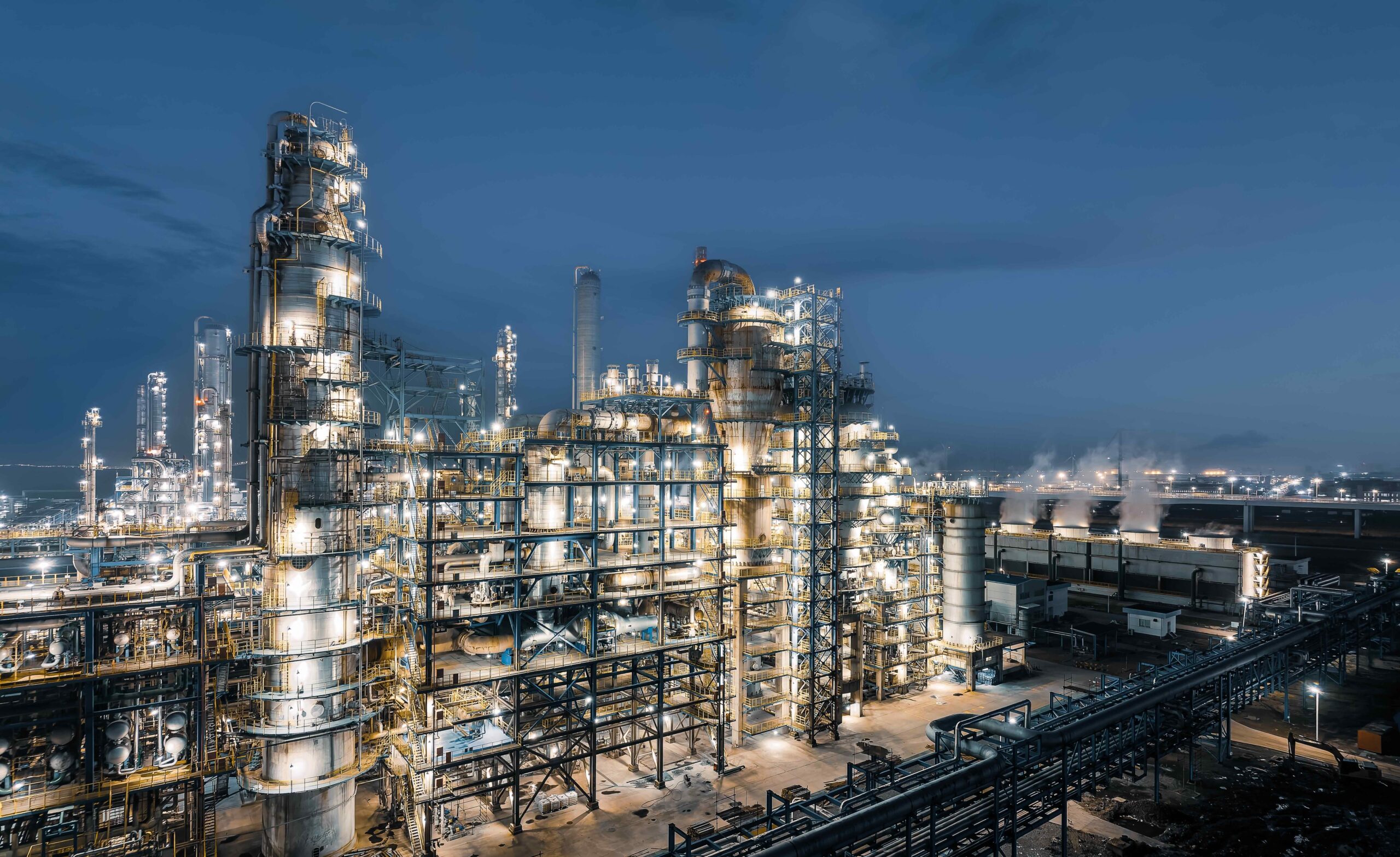
Industrial projects rarely fail because one drawing was missing. Problems are more likely to begin when the process itself was not defined clearly enough before equipment, piping, controls and construction decisions were made. 

Process engineering provides that foundation. It translates production goals into a workable system by defining how materials move, react, separate, heat, cool and change throughout a facility. 

Define the process before disciplines commit 

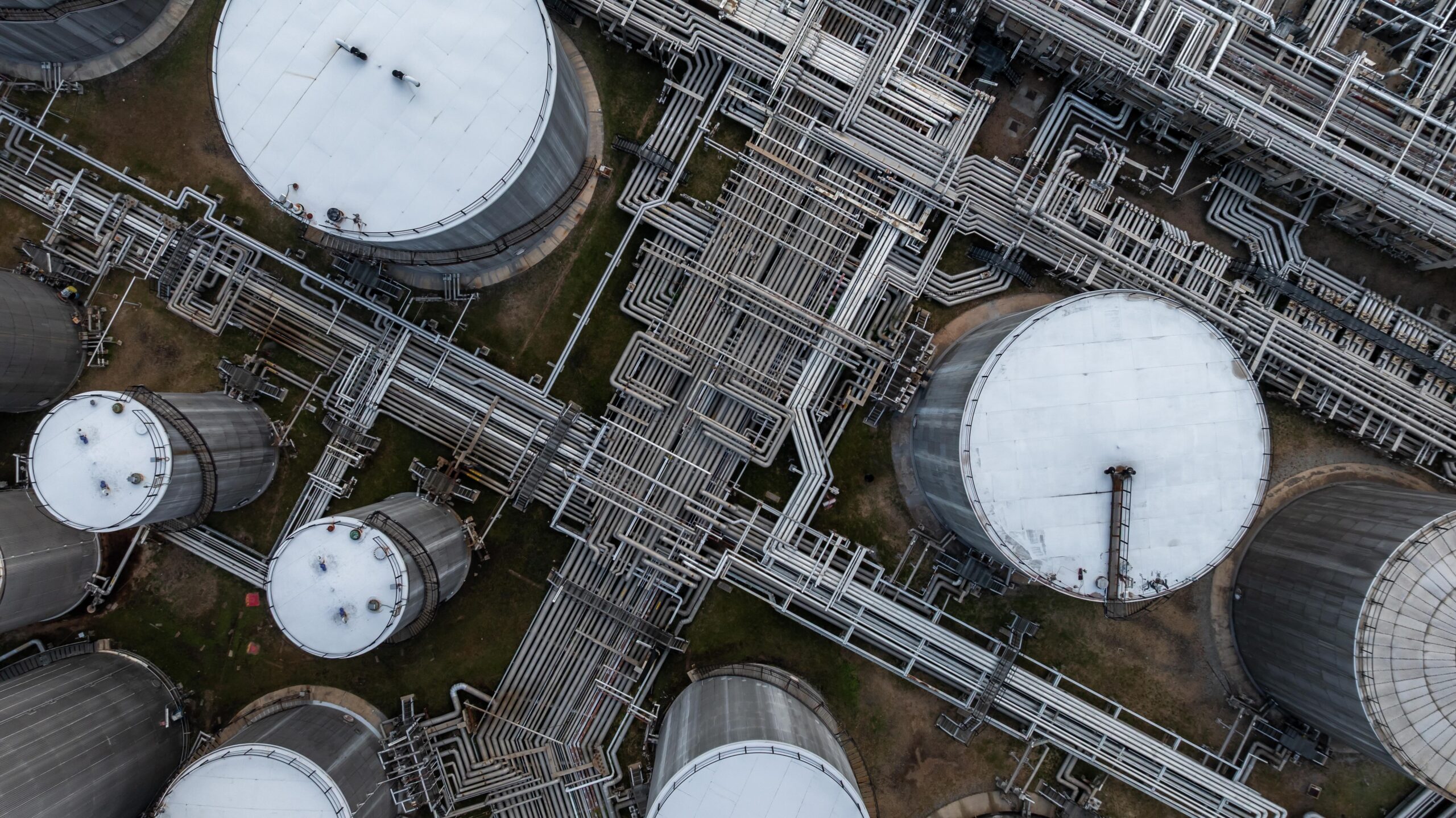
Process flow diagrams, piping and instrumentation diagrams, material and energy balances, hydraulic studies and equipment calculations establish the design basis for the rest of the project. They help answer basic but consequential questions: What must the system produce? Under what operating conditions? How will it respond during startup, shutdown or an upset? What utilities, controls and safeguards are required? 

When those answers are incomplete, the effects spread. Equipment may be sized incorrectly. Piping may need to be rerouted. Controls may not reflect the intended operating sequence. Utility demand may be underestimated. Each late correction can affect cost, procurement and schedule. 

Safety must be designed into the process 

Process safety is not a separate review added after the design is complete. Hazard identification and risk evaluation are most useful when they can still influence the design. 

Tools such as Process Hazard Analysis, HAZOP and Layer of Protection Analysis help teams examine credible deviations, consequences and safeguards. Safety Instrumented System development, relief-device studies and dispersion modeling can then support specific design decisions. OSHA describes Process Safety Management as an integrated program of technologies, procedures and management practices, and its mechanical-integrity requirements call for inspection and testing procedures that follow recognized and generally accepted good engineering practices. 

The broader point is simple: a safe process depends on clear design intent, documented assumptions and safeguards that match the actual risk. 

Brownfield projects require operating context 

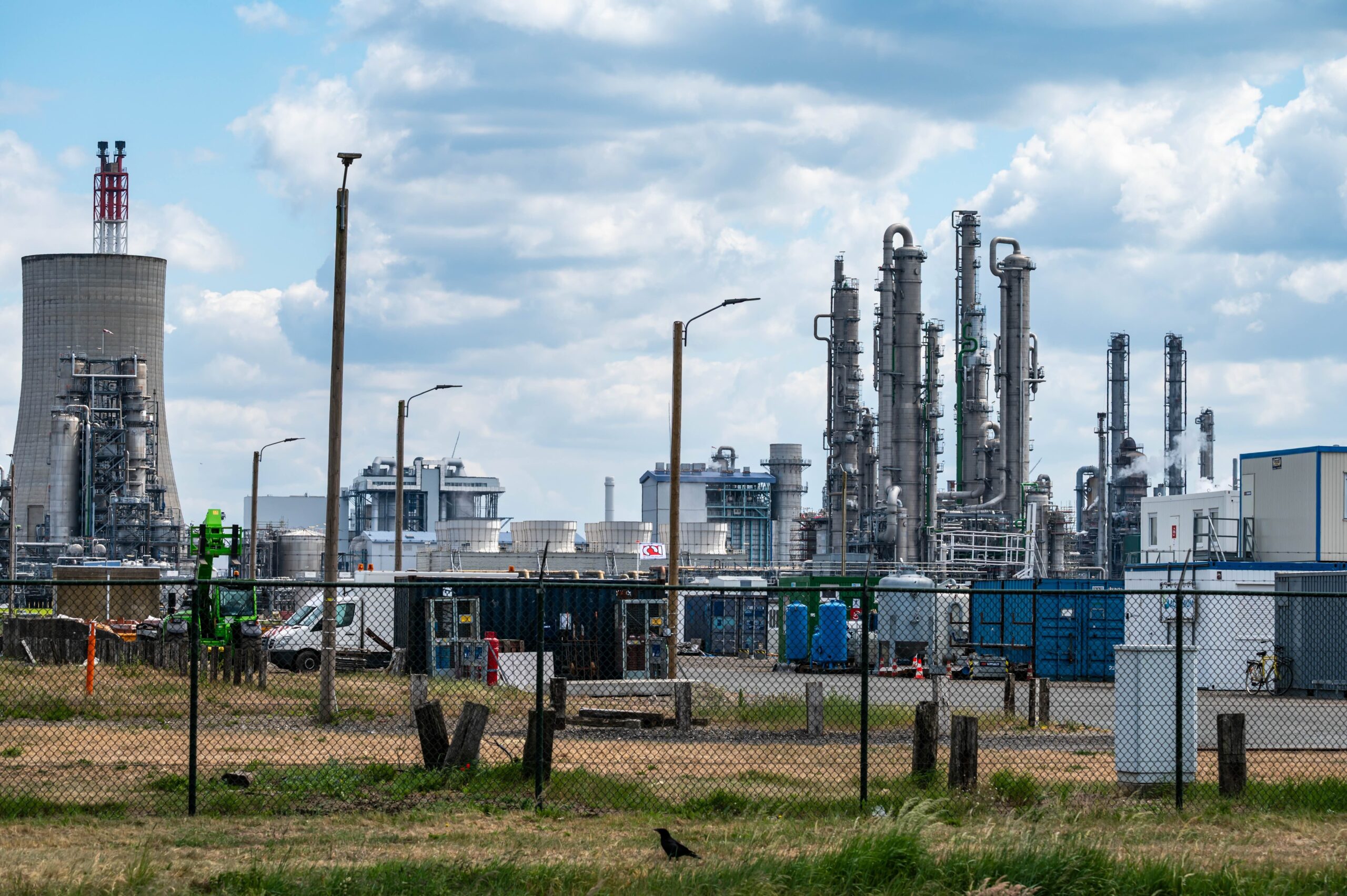
Existing facilities add another layer of complexity. A change may need to fit within limited space, tie into aging systems, preserve production during construction and be installed within a short outage. Drawings may not fully reflect field conditions, and a technically correct design can still be difficult to operate or maintain. 

Good process engineering accounts for those realities. It considers normal and abnormal operation, maintenance access, isolation, cleaning, startup and shutdown, not only the steady-state calculation. 

One technical basis leads to better decisions 

Our Chemical Process Engineering team supports projects through PFD and P&ID development, process simulation, equipment sizing and specification, hydraulic and dispersion studies, PHA, HAZOP, LOPA and SIS development. 

The value is not the length of the deliverables. It is the shared technical basis they create for mechanical, piping, electrical, instrumentation, structural and project teams. 

When the process is defined early and tested against real operating conditions, facilities are better positioned to improve capacity, reliability and safety without creating avoidable problems downstream. 

DSC_0168 copy

Allied Engineering + Design Celebrates Professional Engineers and EITs at ARG Recognition Dinner

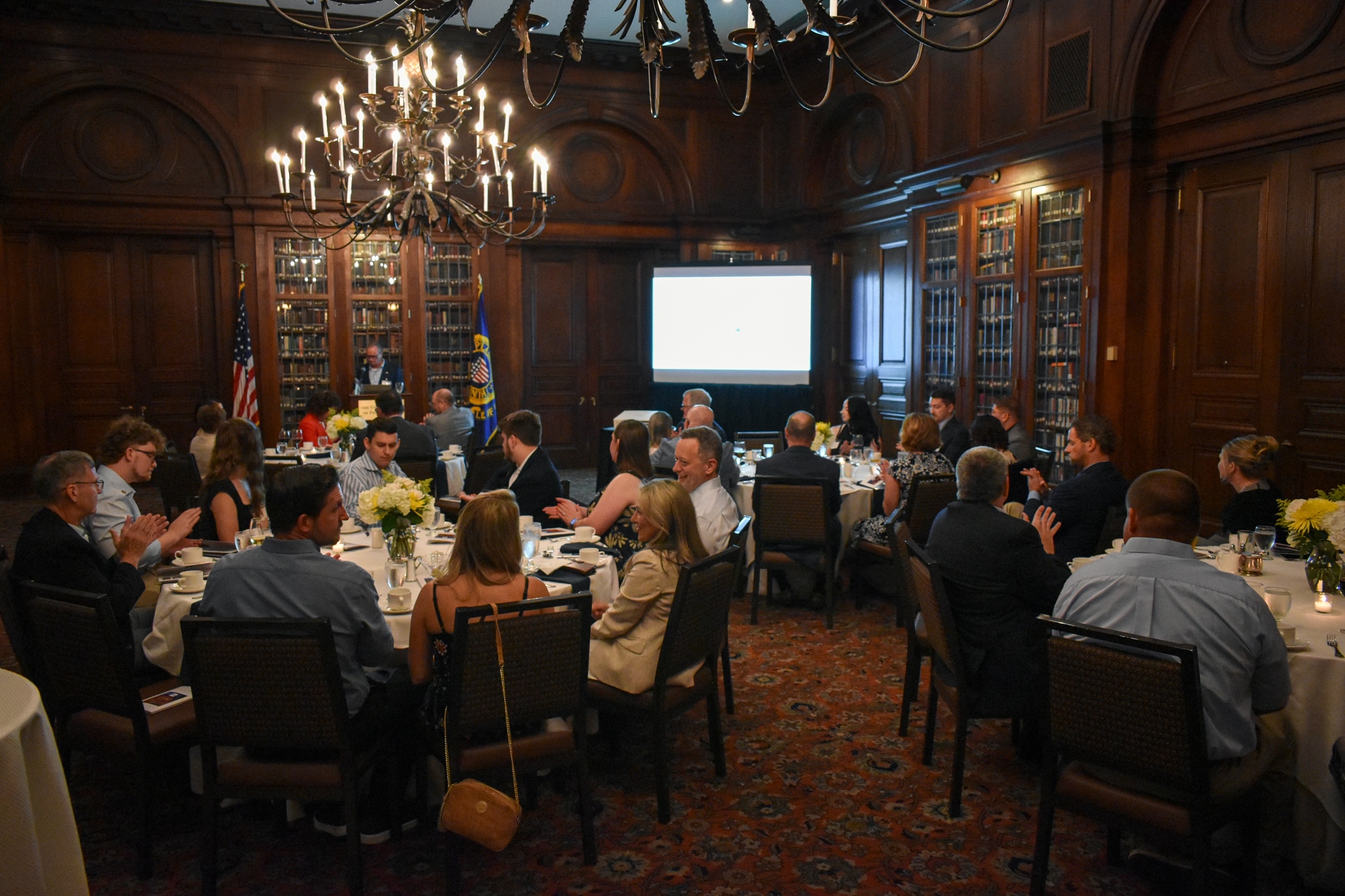
Allied Engineering + Design was proud to join Allied Resources Group for its annual Professional Engineer Recognition Dinner at the Union League of Philadelphia.

Held on June 19, 2026, the event recognized Professional Engineers and Engineers in Training from across ARG’s family of companies. The evening celebrated the commitment, technical skill, and continued professional growth that are central to engineering excellence.

This year, Allied Engineering + Design was represented by 8 Professional Engineers across structural and chemical engineering disciplines. The recognized PEs included Refik Guran, P.E. (Structural), Zachary Miller, P.E. (Structural), Paul Nettleton, P.E. (Structural), Pruthvik Patel, P.E. (Structural), Kevin Ryan, P.E. (Chemical), Keegan Stewart, P.E. (Structural), Robin Tieger, P.E. (Structural), and Keith Trout, P.E. (Chemical).

The company also recognized attending Engineer in Training Sarina Trapani, a Process Engineering Specialist based in Swedesboro.

The event featured a continuing education session led by Zenaida Otero Gephardt, Ph.D., P.E., titled “Powering Tomorrow: Innovative Engineering for Next-Generation Energy Infrastructure.” The session explored emerging approaches to energy infrastructure, including LNG, pipeline systems, renewable energy installations, and technologies designed to improve efficiency, resilience, adaptability, performance, and safety.

For Allied Engineering + Design, the dinner was more than a formal recognition event. It was an opportunity to celebrate the people who bring technical knowledge, leadership, and problem-solving to critical projects every day.

As a comprehensive engineering firm serving the heavy industrial market, Allied Engineering + Design understands the importance of developing and supporting talented engineers. Professional licensure represents years of education, experience, discipline, and accountability, and the annual dinner gives ARG and its companies the opportunity to recognize that achievement in a meaningful way.

By honoring its Professional Engineers and supporting its Engineers in Training, Allied Engineering + Design continues to invest in a culture built on technical excellence, mentorship, and long-term professional growth.


Read the full event recap and view photos from the evening on Allied Resources Group’s website: https://argroupllc.com/news/allied-resources-group-hosts-annual-professional-engineer-recognition-dinner-at-the-union-league-of-philadelphia/

decarbonization blog

Decarbonizing America's Industrial Sector: AED's Commitment to a Sustainable Future

In the global pursuit of net-zero greenhouse gas emissions by 2050, the spotlight is on transformative solutions reshaping the energy landscape. At AED, a leading chemical and industrial engineering firm in New Jersey, we recognize the critical role played by innovative energy storage solutions. These advancements offer a sustainable alternative to conventional lithium-ion batteries, ensuring durability and cost-effectiveness in our collective quest for a cleaner and more sustainable energy industry. As we witness the evolution of these technologies, we remain steadfast in our commitment to support and implement eco-friendly practices that align with the broader goal of achieving a greener future.

The challenge of decarbonizing the world's electricity supply is a multifaceted endeavor. Electricity production and heat contribute significantly to global emissions, impacting homes, industries, and transportation systems. The International Atomic Energy Agency forecasts a doubling of electricity production by 2050, emphasizing the urgency to transition away from fossil-fuel-fired power stations. The recent announcement by the US Department of Energy (DOE) regarding $135 million in industrial decarbonization awards marks a significant milestone. AED aligns with the DOE's roadmap, emphasizing low-carbon fuels, energy efficiency, industrial electrification, and carbon capture, utilization, and storage (CCUS) as key strategies for achieving deep decarbonization in the industrial sector.

As champions of sustainable engineering, AED recognizes the diversity and complexity of energy inputs, processes, and operations in the industrial sector. Our approach involves integrating sector-specific technologies and crosscutting strategies like energy efficiency and industrial electrification. By actively engaging with advancements that resonate with the DOE's Industrial Decarbonization Roadmap, AED aims to contribute meaningfully to the paradigm shift toward a low-carbon future. Decarbonizing the industrial sector is not just a goal; it's a shared responsibility, and AED is proud to play a pivotal role in this transformative journey.

Powered by Our People

AED is part of the Allied Resources Group (ARG). Our family of technical companies offer a collaborative environment, flexible work opportunities, and a family-centric culture.