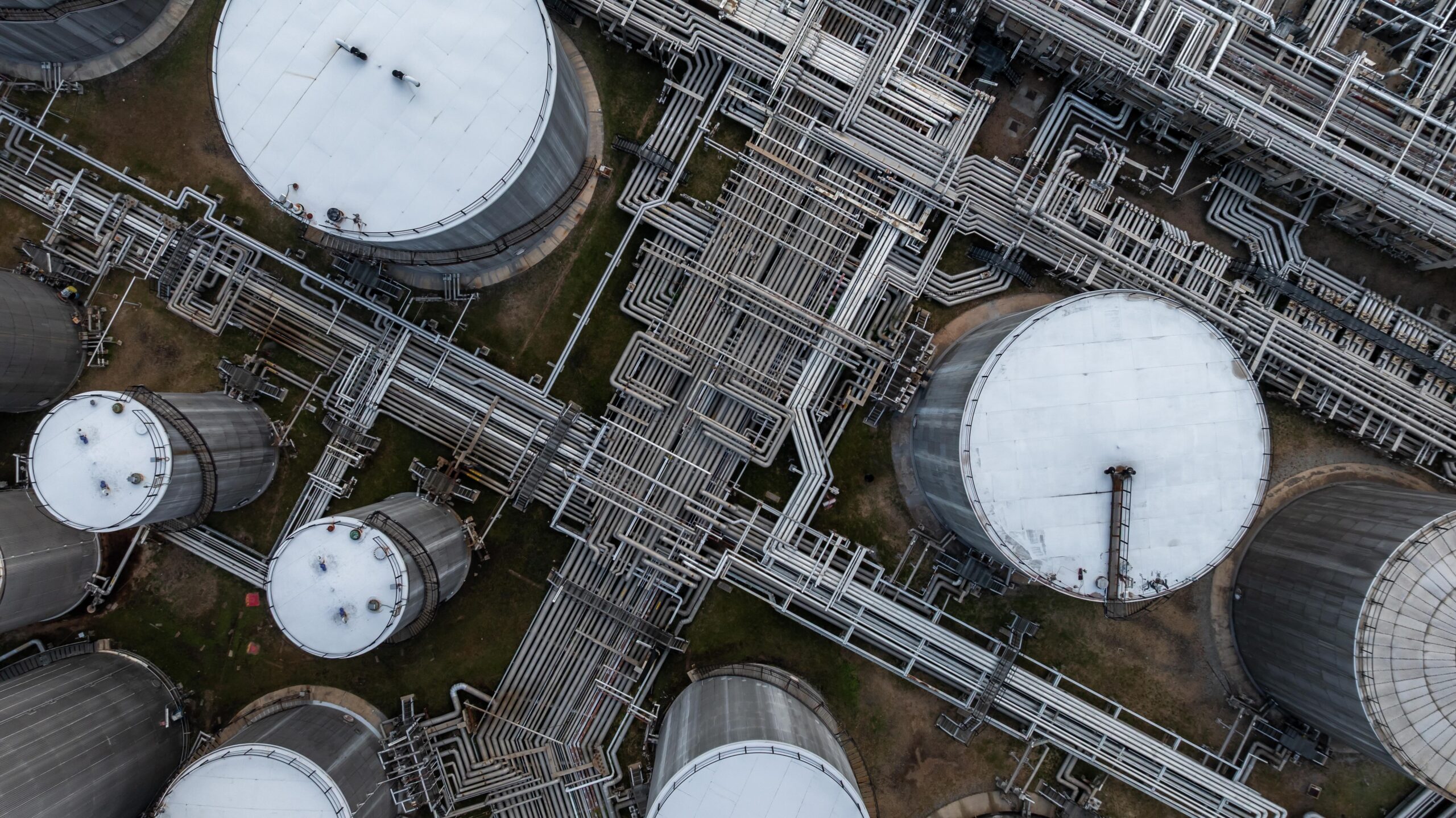
Industrial projects rarely fail because one drawing was missing. Problems are more likely to begin when the process itself was not defined clearly enough before equipment, piping, controls and construction decisions were made.
Process engineering provides that foundation. It translates production goals into a workable system by defining how materials move, react, separate, heat, cool and change throughout a facility.
Define the process before disciplines commit
Process flow diagrams, piping and instrumentation diagrams, material and energy balances, hydraulic studies and equipment calculations establish the design basis for the rest of the project. They help answer basic but consequential questions: What must the system produce? Under what operating conditions? How will it respond during startup, shutdown or an upset? What utilities, controls and safeguards are required?
When those answers are incomplete, the effects spread. Equipment may be sized incorrectly. Piping may need to be rerouted. Controls may not reflect the intended operating sequence. Utility demand may be underestimated. Each late correction can affect cost, procurement and schedule.
Safety must be designed into the process
Process safety is not a separate review added after the design is complete. Hazard identification and risk evaluation are most useful when they can still influence the design.
Tools such as Process Hazard Analysis, HAZOP and Layer of Protection Analysis help teams examine credible deviations, consequences and safeguards. Safety Instrumented System development, relief-device studies and dispersion modeling can then support specific design decisions. OSHA describes Process Safety Management as an integrated program of technologies, procedures and management practices, and its mechanical-integrity requirements call for inspection and testing procedures that follow recognized and generally accepted good engineering practices.
The broader point is simple: a safe process depends on clear design intent, documented assumptions and safeguards that match the actual risk.
Brownfield projects require operating context
Existing facilities add another layer of complexity. A change may need to fit within limited space, tie into aging systems, preserve production during construction and be installed within a short outage. Drawings may not fully reflect field conditions, and a technically correct design can still be difficult to operate or maintain.
Good process engineering accounts for those realities. It considers normal and abnormal operation, maintenance access, isolation, cleaning, startup and shutdown, not only the steady-state calculation.
One technical basis leads to better decisions
Our Chemical Process Engineering team supports projects through PFD and P&ID development, process simulation, equipment sizing and specification, hydraulic and dispersion studies, PHA, HAZOP, LOPA and SIS development.
The value is not the length of the deliverables. It is the shared technical basis they create for mechanical, piping, electrical, instrumentation, structural and project teams.
When the process is defined early and tested against real operating conditions, facilities are better positioned to improve capacity, reliability and safety without creating avoidable problems downstream.