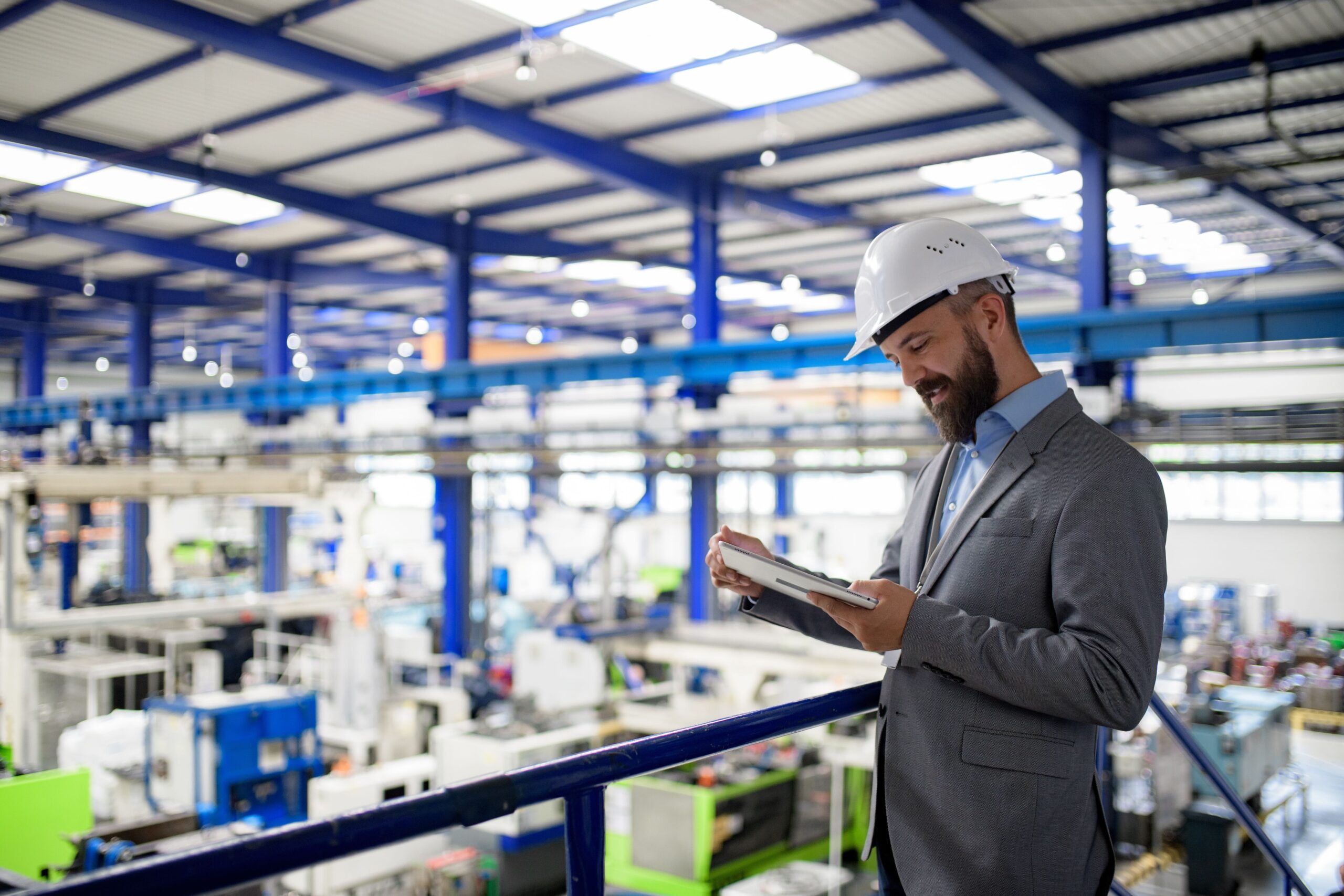
Modern manufacturing is not defined by one production line or one type of facility. It brings together engineering, automation, data, maintenance, safety, quality and skilled trades to keep increasingly connected operations running.
Manufacturing is becoming more technical and more connected
Deloitte’s 2026 manufacturing outlook highlights smart operations, AI, digital supply-chain tools, targeted investment and adaptive workforce planning as important priorities. Manufacturers are using connected systems to monitor equipment, improve production, support maintenance and respond more quickly to changing conditions.
That creates opportunities for people who enjoy solving practical problems. Mechanical, electrical, chemical, civil and structural engineers all contribute, along with controls specialists, designers, project managers, reliability professionals, technicians and construction teams.
Engineering careers exist throughout the facility lifecycle
Some professionals focus on new process equipment and production improvements. Others work on brownfield modifications, plant utilities, electrical distribution, piping, foundations, HVAC, instrumentation or safety systems. Project engineers and managers coordinate scope, schedule, vendors and installation.
The work does not end when a design is issued. Procurement support, field verification, construction assistance, commissioning, startup and troubleshooting all require technical professionals who can connect the design to actual operating conditions.
Automation is changing the skills manufacturers need
Smart manufacturing combines physical equipment with controls, sensors, software and data. Controls engineers and technicians may work with PLCs, DCS platforms, HMIs, SCADA systems, industrial networks and instrumentation. Mechanical and process professionals increasingly use operating data to evaluate reliability and performance.
AI is also moving from experimentation toward practical use. IFS describes manufacturers’ 2026 focus as making AI work at scale across operations, planning, service and the field. The opportunity is not limited to software roles. It includes professionals who can connect technology with equipment, processes and people.
Plant experience builds judgment that software cannot replace
Industrial facilities are constrained by space, production schedules, outages, access, utilities and existing conditions. Professionals who understand those realities can identify practical solutions earlier.
Site walks, laser scanning, field measurements, construction support and startup assignments can help engineers and designers understand how projects are executed. That experience also makes collaboration with operators, maintenance teams and contractors more effective.
People skills are technical career skills
Manufacturing projects involve many stakeholders with different priorities. Clear communication, documentation and accountability help teams make decisions and manage change. Professionals who can ask good questions, explain trade-offs and work across disciplines often become trusted project leaders.
For early-career professionals, mentorship is particularly valuable. Working with experienced engineers and designers can accelerate both technical learning and understanding of how decisions affect safety, reliability and production.
Where a manufacturing career can lead
Allied Engineering + Design supports chemical, refining, manufacturing and industrial clients through multidisciplinary process, mechanical, piping, civil, structural, electrical, instrumentation and controls engineering. Our teams contribute from studies and field verification through design, construction support and commissioning.
Modern manufacturing offers paths for people who want to work with technology while staying connected to physical systems and real-world outcomes. Contact AED or explore our career opportunities to learn how your background could contribute.