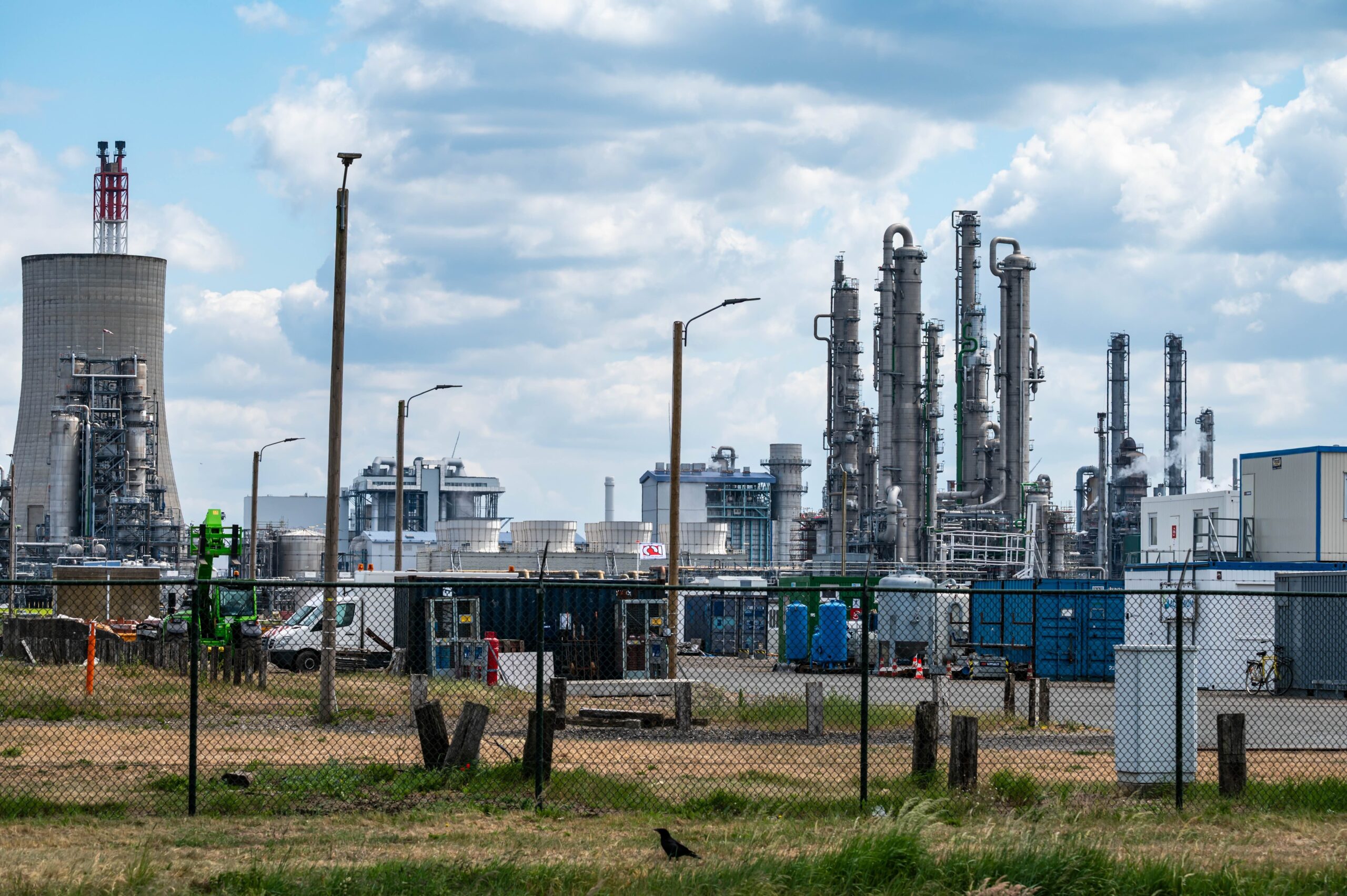
For chemical manufacturers, 2026 is shaping up to be a year in which capital projects must demonstrate clear value.
The American Chemistry Council’s Mid-Year 2026 Outlook forecasts U.S. chemical production growth of approximately 0.5% this year, while chemical-industry capital spending on equipment and structures is expected to increase only 0.9%. ACC expects capital expenditures to accelerate beginning in 2027, but near-term investment remains restrained by borrowing costs, equipment and material prices and an uncertain demand environment.
That environment does not eliminate the need for engineering investment.
In many facilities, it makes project selection and project definition even more important.
Getting More Value From Existing Industrial Assets
When capital budgets are closely scrutinized, owners may look first at improvements that can increase reliability, remove operating constraints, address aging infrastructure, improve safety or add capacity within an existing facility.
Those projects frequently take place in brownfield environments, where engineering teams must design around existing piping, structures, utilities, equipment and operating processes.
Brownfield engineering can be considerably different from designing on an empty site.
Existing conditions must be accurately understood. New equipment has to integrate with operating systems. Shutdown windows may be limited. Piping modifications can affect multiple disciplines. Electrical and instrumentation changes have to coordinate with process requirements. Construction must often occur while surrounding areas remain operational.
The quality of the front-end work can therefore have an outsized effect on project execution.
Define the Process Before Defining the Project
Effective industrial projects begin by understanding what the facility needs the process to accomplish.
Process conditions, equipment requirements, utilities, controls, safety considerations and operating constraints establish the basis from which the remaining engineering disciplines can work.
From there, multidisciplinary coordination becomes critical.
Allied Engineering + Design provides engineering across Chemical Process, Mechanical, Piping, Civil/Structural, Electrical & Instrumentation and Project Management, supporting projects from front-end development and procurement through engineering and construction management.
AED’s teams work in chemical, terminal and refinery environments and have experience executing retrofit, upgrade, brownfield and greenfield projects.
That combination is particularly valuable in existing facilities where a modification that begins in one discipline can quickly affect several others.
Engineering for the Next Capital Cycle
ACC currently expects chemical-industry capital expenditures to strengthen in 2027 and beyond, with annual growth projected in the 3% to 4% range.
Facilities preparing for that next investment cycle have an opportunity to evaluate aging systems, identify bottlenecks and define projects before capital is committed.
Whether the objective is reliability, capacity, modernization or process improvement, disciplined engineering can help owners determine where investment will create the greatest operational value.
AED helps industrial clients define practical solutions and carry them through the full engineering lifecycle without compromising safety, quality or efficiency.